
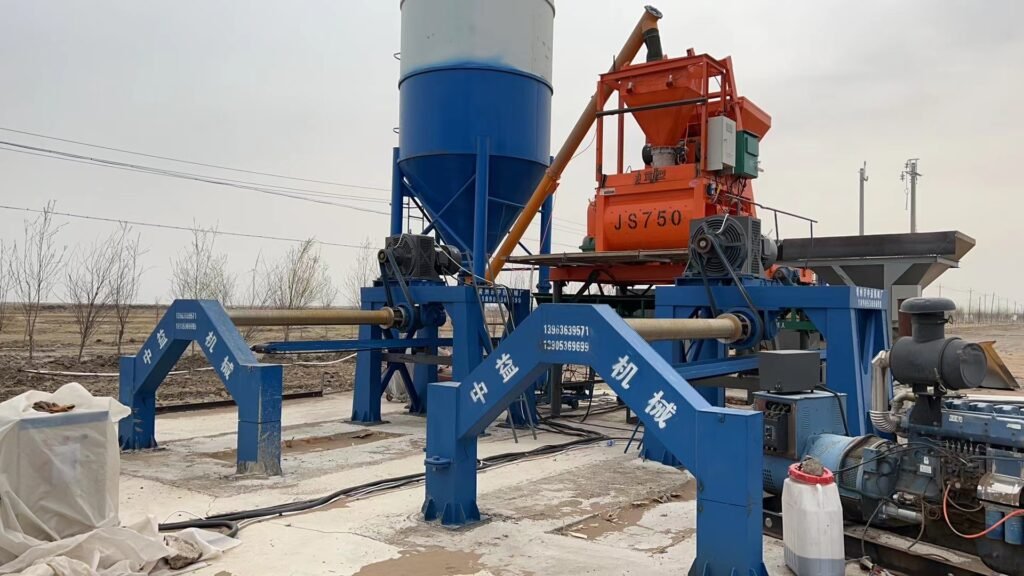
The global demand for infrastructure—ranging from urban drainage systems to agricultural irrigation—has never been higher. At the heart of this growth lies a humble yet essential component: the concrete pipe. For entrepreneurs looking to enter the construction supply industry, starting a concrete pipe manufacturing business is a high-yield opportunity.
However, success requires more than just mixing cement and water. In this guide, we’ll walk you through the essential steps to set up a professional and profitable concrete pipe factory.
1. Market Research and Business Planning
Before purchasing any equipment, analyze your local market.
- Identify Demand: Are there upcoming government road projects or housing developments?
- Competitive Analysis: Who are the local suppliers? What pipe sizes are most in demand (e.g., 600mm to 1200mm)?
- Certifications: Ensure you understand the local ASTM or ISO standards for reinforced concrete pipes (RCP).
2. Selecting the Right Concrete Pipe Making Machine
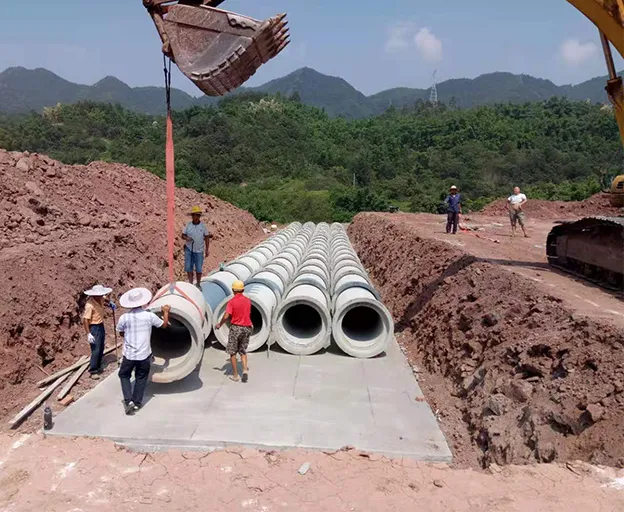
Your machinery is the heart of your factory. For those starting out, the Suspension Roller Concrete Pipe Machine is often the best choice due to its versatility and efficiency.
- The 600-1200mm Range: This is the “sweet spot” for most municipal projects. Our 600-1200 model can produce pipes with lengths of 2-4 meters.
- Adjustable Speed: Look for machines with a speed range of 60-900 RPM. This allows you to adjust the centrifugal force based on the pipe’s diameter and the concrete’s consistency, ensuring maximum density and a smooth finish.
3. Factory Layout and Raw Materials
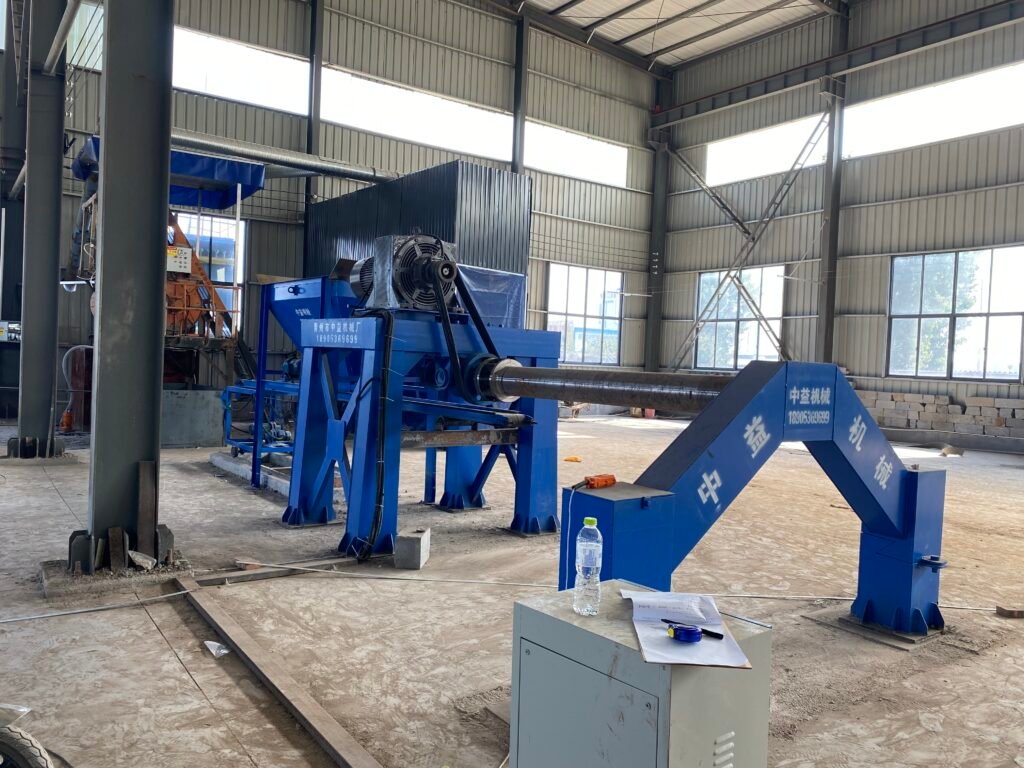
A standard production line requires sufficient space for:
- Raw Material Storage: High-quality cement, crushed stone (aggregates), and sand.
- Concrete Mixing Station: An automated batching plant ensures consistency.
- Reinforcement Area: You will need a Cage Welding Machine to create the steel skeletons that give pipes their structural strength.
- Curing Yard: Pipes need time to harden, typically through steam curing or water spraying.
4. Understanding Joint Types: Meeting Client Needs
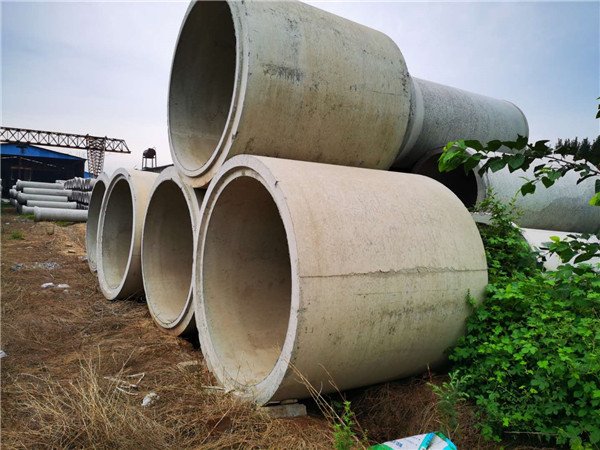
To win contracts, you must offer various joint types. The suspension roller process excels at producing:
- Flush Joints (平口): Simple and cost-effective.
- Tongue and Groove (企口): Provides better alignment.
- Bell and Spigot (承插口): Ideal for leak-proof sewage systems.
5. Quality Control and Testing
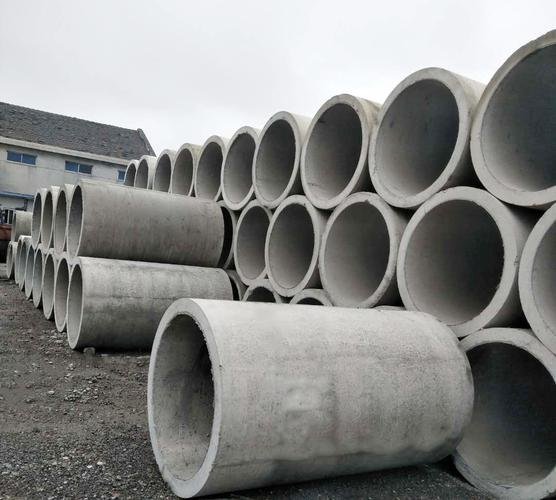
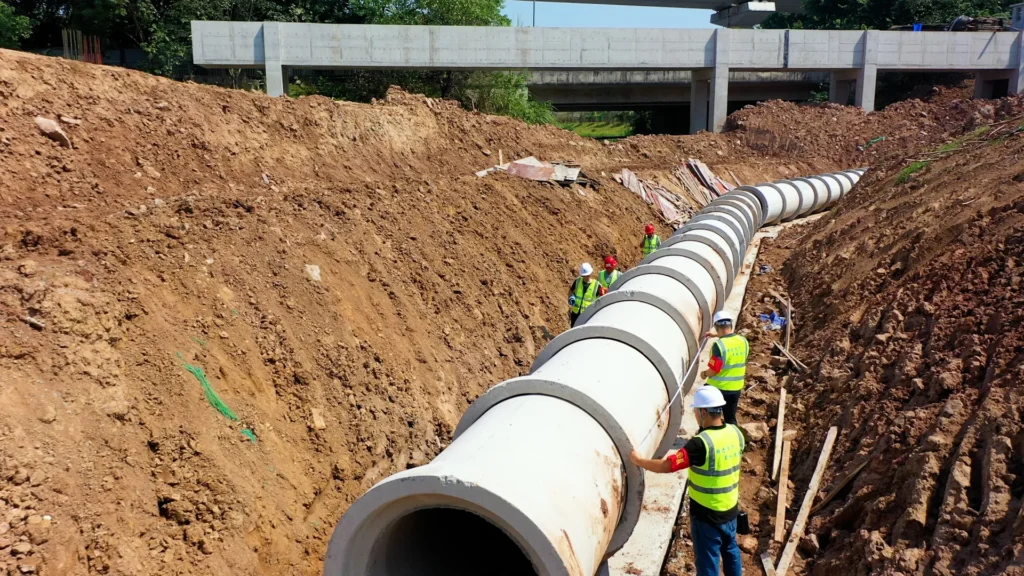
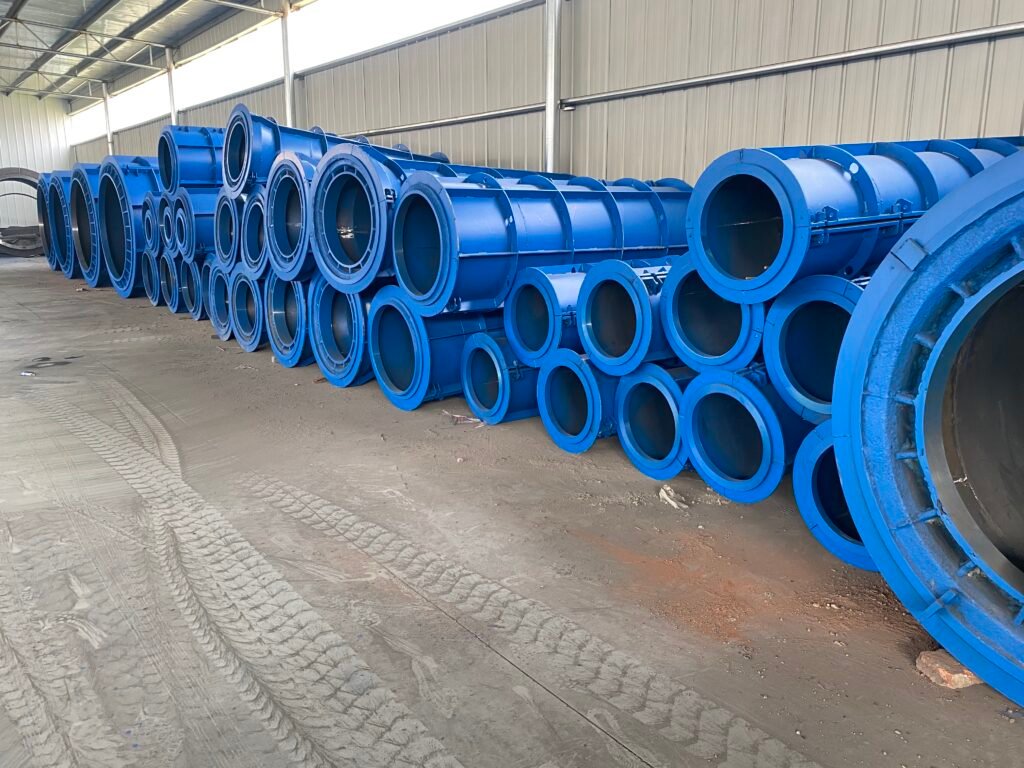
A single failed pipe can ruin your reputation. Invest in a hydraulic pressure testing machine to ensure your pipes can withstand the required loads. High-quality molds (Concrete Pipe Molds) are also crucial to ensure the pipe’s dimensions are precise every time.
6. Why Partner with Zhongyi Machinery?
At Zhongyi Concrete Pipe Machinery, we don’t just sell machines; we provide solutions. With decades of export experience to Central Asia (Kazakhstan, Uzbekistan, etc.) and Africa, we help you with:
- Customized Production Lines: Tailored to your budget and space.
- Technical Support: From installation to operator training.
- Global Shipping: Reliable logistics to ensure your equipment arrives safely.
Conclusion
Starting a concrete pipe manufacturing business is a long-term investment in the future of infrastructure. By choosing the right technology, such as our 600-1200 suspension roller machine, you ensure high-quality output and a faster return on investment.
Ready to get started? [Contact our engineers today] via WhatsApp: +86 [18905369699] or email us at Zymechanical@gmail.com for a free factory layout design and quotation!
