
Introduction to Concrete Pipes
Concrete pipes are essential components in modern infrastructure and construction projects. They are widely used for drainage, sewage systems, irrigation, and municipal engineering due to their exceptional strength, durability, and cost efficiency.
As urbanization and infrastructure development continue to expand worldwide, the demand for high-quality concrete pipes and reliable concrete pipe manufacturing solutions is steadily increasing.
What Is a Concrete Pipe?
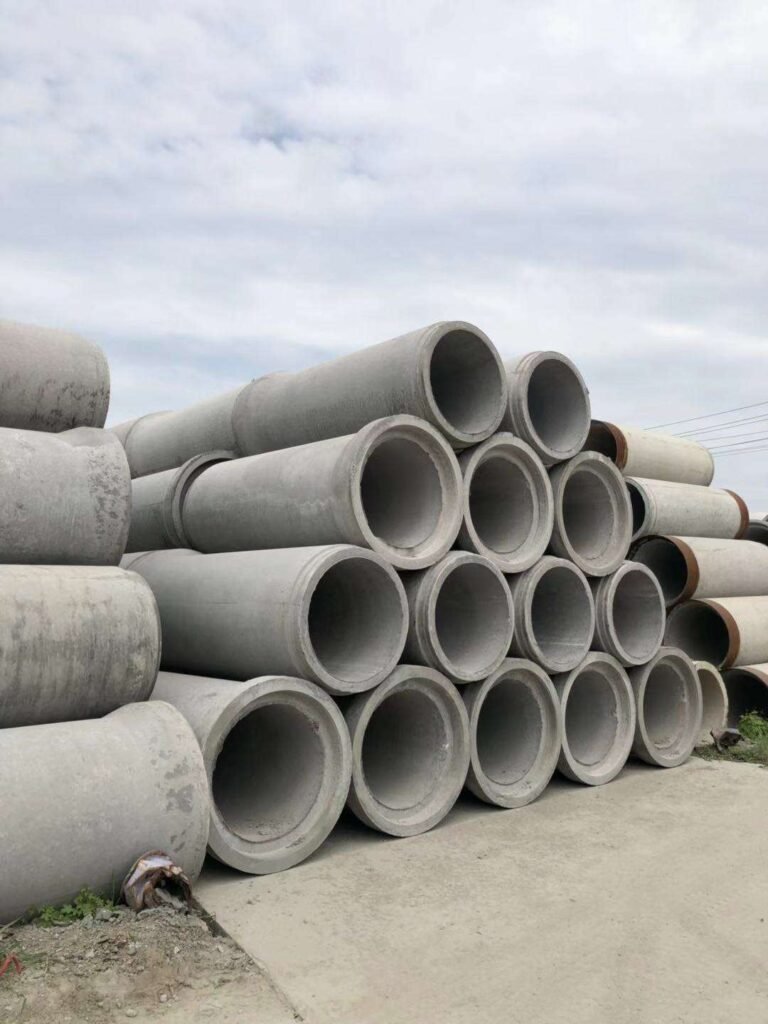
A concrete pipe is a cylindrical structure made from cement, aggregates, sand, and water. Depending on application requirements, concrete pipes may include steel reinforcement, commonly known as Reinforced Concrete Pipes (RCP).
Concrete pipes are designed to handle:
- Heavy ground loads
- High internal and external pressure
- Long-term underground installation
They are available in different diameters, wall thicknesses, and joint designs to suit various engineering standards.
Applications of Concrete Pipes
Concrete pipes are used across a wide range of industries and projects:
Drainage and Sewer Systems
Concrete pipes are the preferred choice for stormwater drainage and sewage systems because of their high load-bearing capacity and resistance to corrosion.
Municipal Infrastructure Projects
They are widely applied in road construction, urban utility systems, and underground pipelines.
Agricultural Irrigation and Water Management
Concrete pipes ensure stable water transportation in irrigation systems, canals, and water conservation projects.
Industrial and Commercial Construction
Factories, industrial parks, and power plants use concrete pipes for wastewater discharge and fluid transportation.
Key Advantages of Concrete Pipes
Concrete pipes offer several advantages over plastic, steel, or composite pipes:
High Strength and Load Resistance
Concrete pipes can withstand heavy traffic loads, making them ideal for underground installations beneath highways and urban roads.
Long Service Life
With proper production and installation, concrete pipes can serve reliably for 50–100 years.
Cost-Effective Solution
Concrete pipes have low raw material costs and minimal maintenance requirements, reducing long-term project expenses.
Environmentally Friendly
Made from natural and recyclable materials, concrete pipes support sustainable construction practices.
Concrete Pipe Manufacturing Process
Modern concrete pipes are produced using advanced concrete pipe making machines. The standard production process includes:
1. Raw Material Preparation
Cement, aggregates, water, and steel reinforcement are prepared according to design standards.
2. Concrete Mixing
Precise mixing ensures uniform strength and consistency of the concrete.
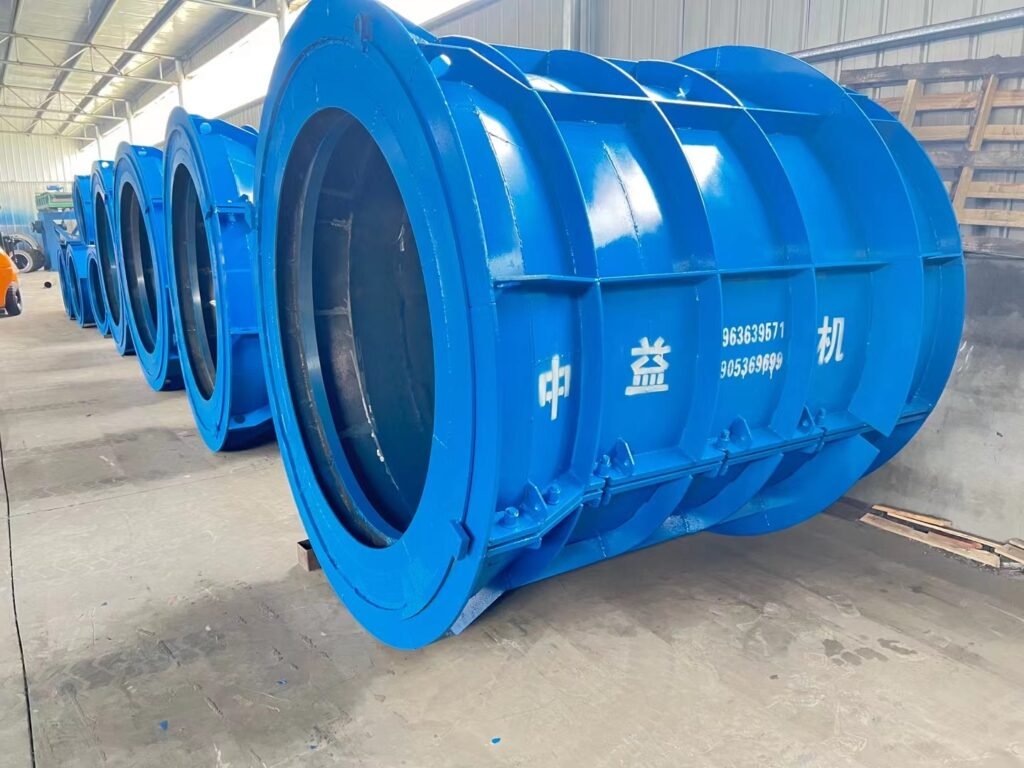
3. Pipe Forming
Concrete pipe making machines use methods such as:
- Suspended roller process
- Centrifugal process
- Radial Extrusion Process
- Core-Mold Vibration Process
4. Curing
Pipes are cured under controlled conditions to achieve optimal strength and durability.
5. Quality Control
Finished concrete pipes are inspected for dimensions, compressive strength, and surface finish before delivery.
Concrete Pipe Making Machines and Technology
With advancements in automation, modern concrete pipe machines offer:
- High production efficiency
- Consistent pipe quality
- Reduced labor costs
- Compatibility with international standards
High-quality equipment plays a key role in producing durable concrete pipes that meet global market requirements.
Why Choose Concrete Pipes for Infrastructure Projects?
Concrete pipes remain a trusted solution for engineers and contractors worldwide because they combine:
- Structural reliability
- Long-term performance
- Economic efficiency
They are suitable for both developing and mature markets, especially in regions investing heavily in infrastructure and urban development.
Conclusion
Concrete pipes are a vital part of modern construction and infrastructure systems. Their durability, strength, and versatility make them an ideal choice for drainage, sewage, irrigation, and industrial applications.
By choosing high-quality concrete pipes and advanced concrete pipe manufacturing machines, businesses and contractors can ensure project safety, efficiency
